

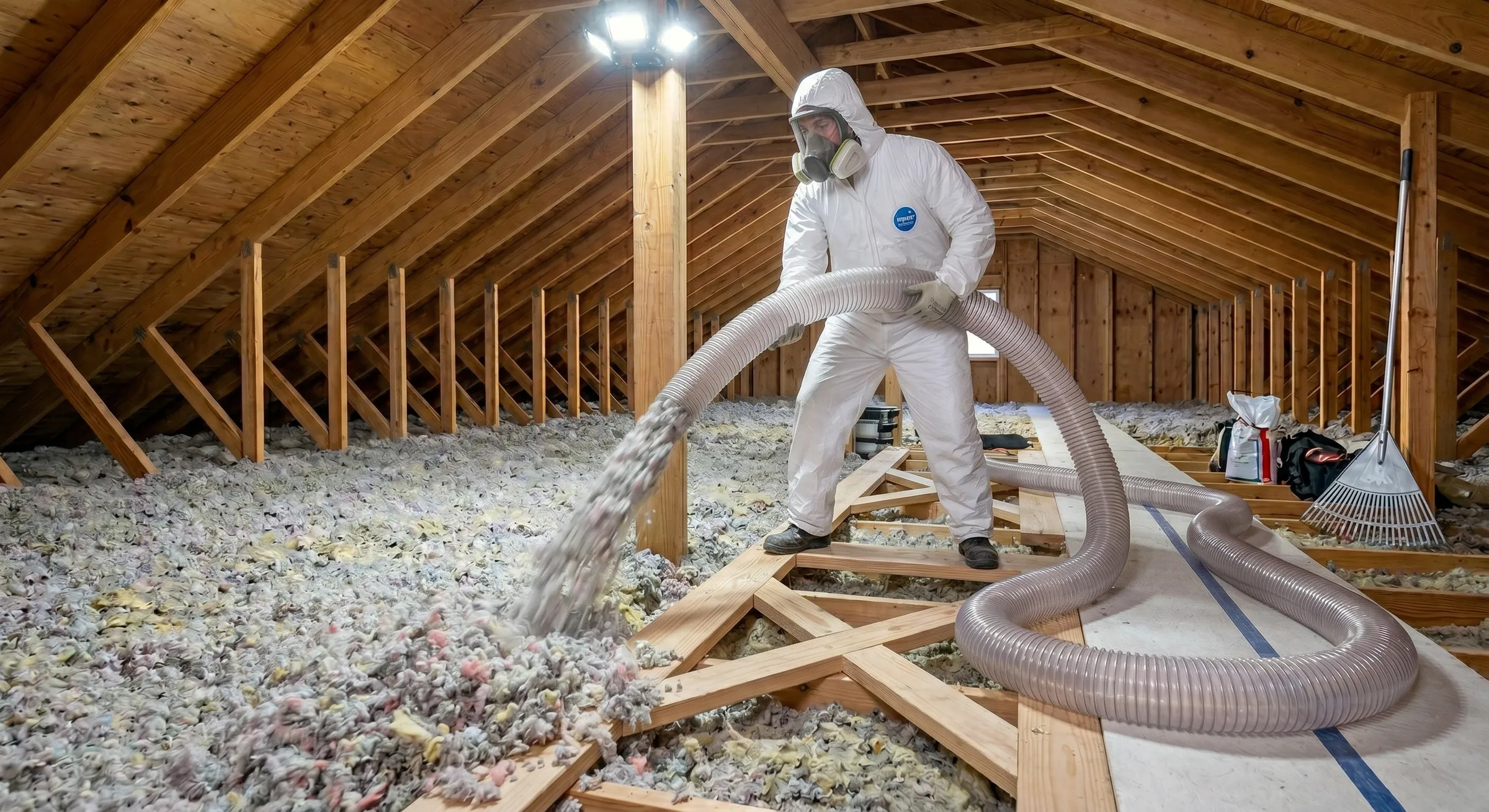
Safe & Professional
Insulation Removal & Replacement in Virginia Beach & All Of Hampton Roads
Contaminated, pest-damaged, or outdated insulation is a health hazard. Don't trust the job to just anyone — proper removal requires industrial equipment, safety protocols, and expertise.
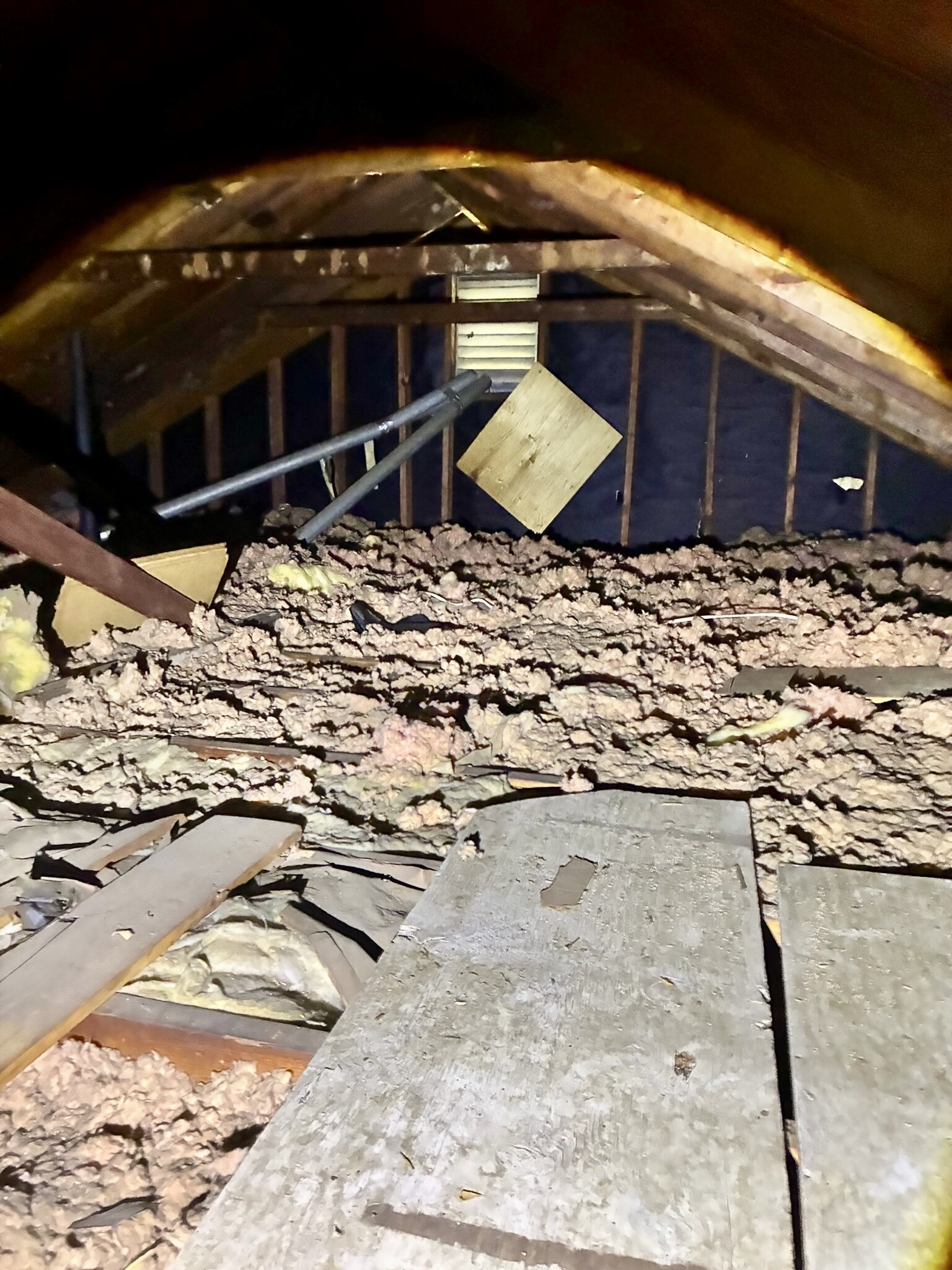
Old Attic Insulation Ready for Safe Removal
The Case for Professional Insulation Removal
Professional Equipment Matters — Especially Industrial Vacuums
Removing blown-in insulation safely requires industrial-grade vacuum equipment that creates negative pressure in the attic space. Without it, insulation particles — including contaminated fibers — become airborne and circulate through your home's HVAC system.
Contaminated Insulation Is a Health Risk
Insulation contaminated by rodent droppings, urine, or mold spores poses serious respiratory health risks. A significant percentage of the air you breathe inside your home passes through your attic or crawl space. Removal is not optional — it's a health necessity.
Proper Disposal Is Not Optional
Contaminated insulation can't simply be bagged and placed at the curb. It must be properly contained, labeled, and disposed of in accordance with Virginia environmental regulations. Improper disposal is both illegal and environmentally harmful.
Replacement Must Be Done Correctly
After removal, the attic space must be inspected, entry points sealed, and new insulation installed to proper R-value specifications. Skipping steps means the same problems return — often within months.
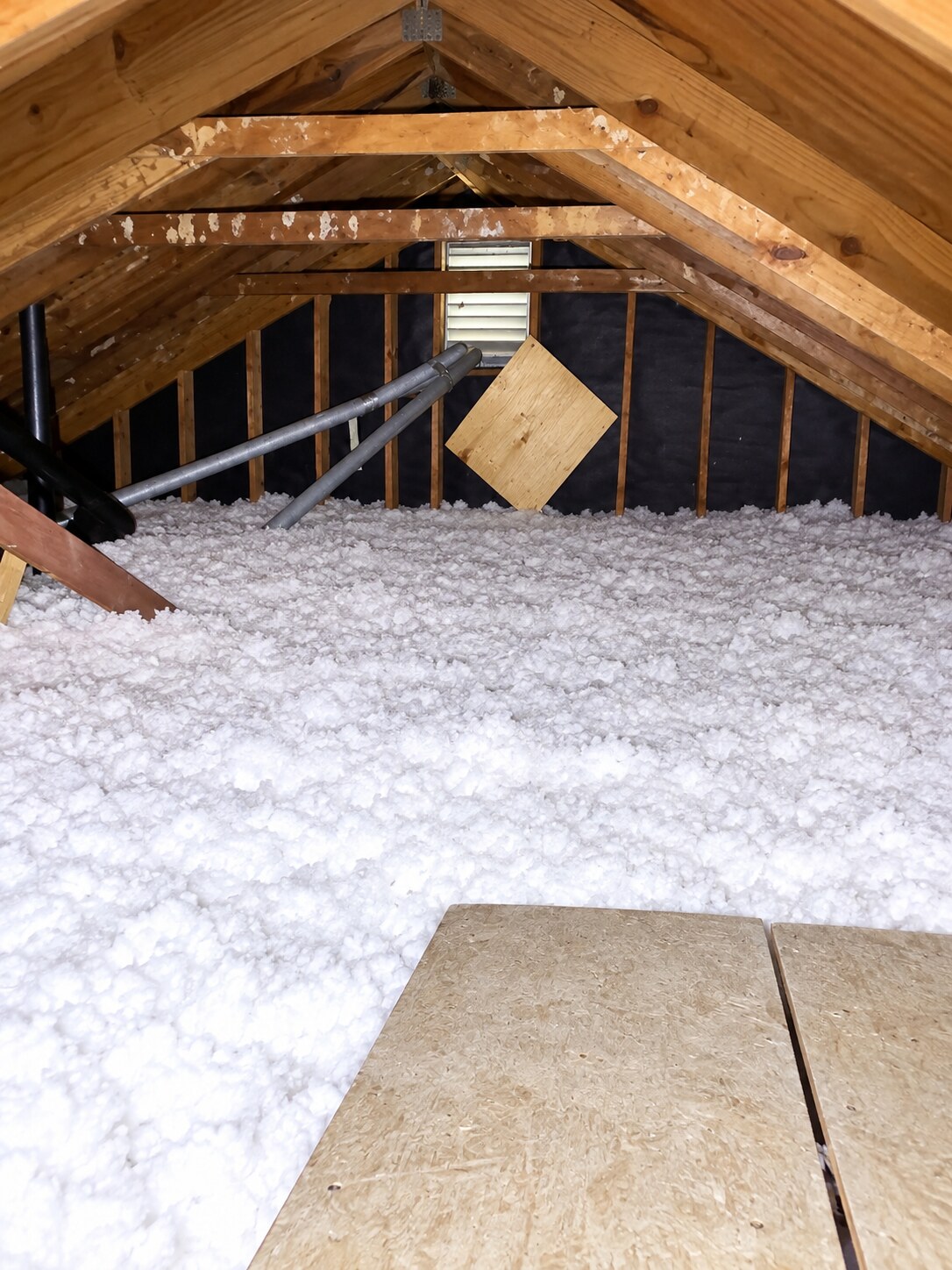
What a Properly Insulated Attic Looks Like
When Should You Remove Your Insulation?
Attic & Crawl Space Insulation Removal
If you are searching for insulation removal near you, the right scope depends on what is in the space. We remove contaminated attic insulation after rodent activity, take out wet or sagging crawl space batts, and explain when clean but under-insulated material can stay in place. Every estimate separates removal, sanitation, moisture control, and replacement so you can compare the work clearly.

Crawl Space Insulation Removal Done Right
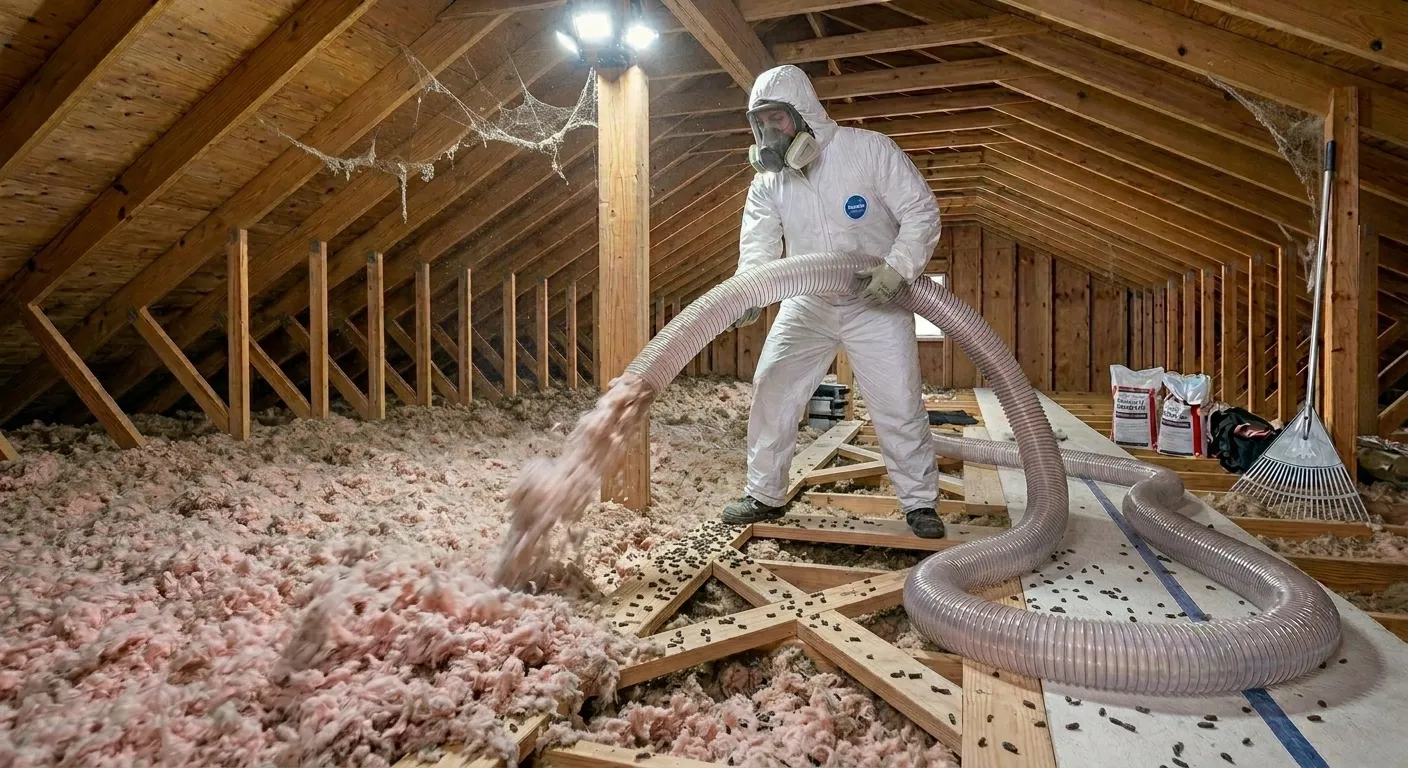
Industrial-Grade Removal Equipment — Every Job
Our Removal Process
Free Inspection
Thorough assessment of your current insulation condition, pest entry points, and moisture levels.
Safe Removal
Industrial vacuum extraction removes all contaminated material without releasing particles into your living space.
Surface Treatment & Prep
If surface treatment is being considered, confirm the exact product label allows the proposed site, surface, and use before application. Pest entry-point work is handled by our sister pest-control company.
New Installation
Premium Pest Guard Insulation™ installed to proper R-value — a permanent solution, not a patch.
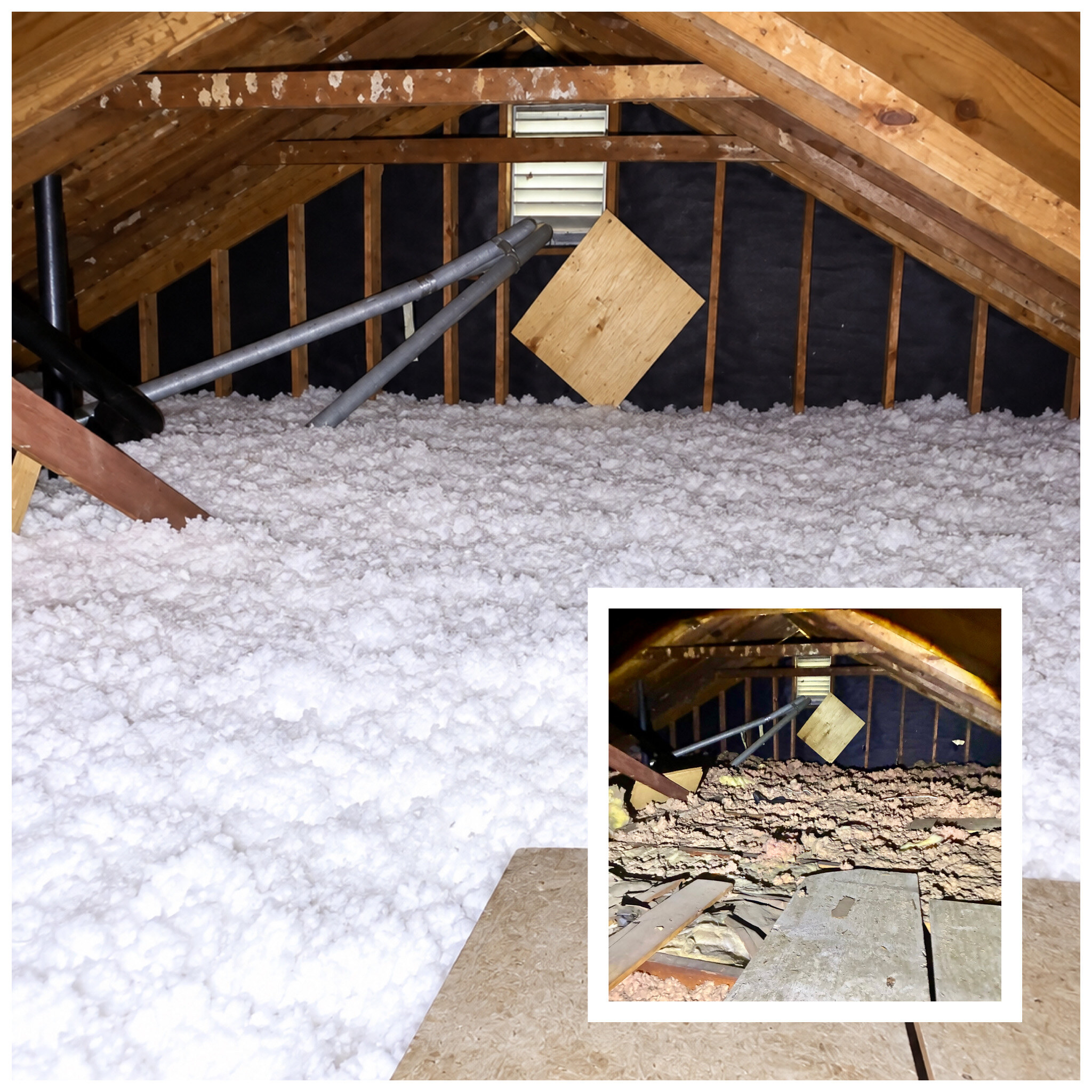
The Finished Result — Clean, Sealed, and Properly Insulated
Why Universal
How We Compare to Other Insulation Companies
Insulation removal may be one part of restoring an attic. Compare which pest, cleanup, sanitation, and replacement steps each Hampton Roads provider includes.
| What to compare | Universal Insulation Doctor | Other providers (varies) |
|---|---|---|
| Complete rodent restoration | Universal Insulation DoctorRemoval, sanitation treatment, cleanup, and reinstall quoted and scheduled as one job — no gap for contamination to sit in your attic.Universal Pest & Termite | Other providers (varies)Confirm whether pest work, cleanup, sanitation, and insulation replacement are included or handled by separate providers. |
| Pest Guard Attic Insulation™ | Universal Insulation DoctorPest Guard™ is a borate-treated pest-control product incorporated into attic insulation, intended to deter certain insects and offered with insulation installation rather than as a standalone pest service. | Other providers (varies)Providers may offer different insulation materials or insect-deterrence options. Ask what product and scope are included. |
| Financing options | Universal Insulation DoctorFinancing options are available for qualified homeowners. Current plans, rates, down-payment requirements, and approval criteria vary by project. | Other providers (varies)Financing availability and providers vary. Ask each contractor which plans are available and who handles approval. |
| Total Home Health approach | Universal Insulation DoctorInsulation, pest and termite control, and duct services can be coordinated through our sister companies; confirm the scope and schedule for your project.Universal Pest & TermiteUniversal Duct Cleaning | Other providers (varies)Some contractors coordinate related services; others focus on one trade. Confirm who performs each part and how scheduling works. |
| Crawl space encapsulation & moisture control | Universal Insulation DoctorAfter assessing the crawl space, options may include a vapor barrier, encapsulation, or dehumidification. | Other providers (varies)Service scope varies. Ask whether the contractor assesses moisture conditions and which components are included. |
| A+ BBB rating | Universal Insulation DoctorBBB accredited with an A+ rating and 25+ years serving Hampton Roads homeowners. | Other providers (varies)Accreditation and ratings vary by company; check each provider's current listing before booking. |
| Roots in Hampton Roads | Universal Insulation DoctorServing Hampton Roads and the wider Hampton Roads area, with local service details provided for each community. | Other providers (varies)Crews may be dispatched from outside the area, or the work subcontracted out. |
| Ongoing membership programs | Universal Insulation DoctorPest and termite memberships are available through Universal Pest & Termite; duct and dryer vent services are offered through our sister companies. Ask what each plan includes. | Other providers (varies)Maintenance plans and follow-up services vary. Ask what ongoing care, if any, is available. |
The left column reflects services Universal Insulation Doctor offers directly or through the Universal family of companies. The right column describes common industry practice in general terms and is not a statement about any particular company — offerings vary, so ask any contractor what their quote includes. Financing on approved credit.
What Customers Say About Our Removal Service
Hampton Roads homeowners who had contaminated insulation removed and replaced.
Based on 87+ Google Reviews
"Universal Insulation Doctor completely transformed our attic. Our energy bills dropped over $70 per month after installation. The technicians were professional, on time, and cleaned up after themselves perfectly. I can't recommend them enough."
"After a rodent infestation contaminated our crawl space insulation, we called Universal Insulation Doctor. They removed everything, sanitized the area, and installed new Pest Guard insulation. The team was thorough, honest, and did a truly outstanding job."
"I've used two other insulation companies before — neither came close to the quality and transparency of Universal Insulation Doctor. They diagnosed the real problem and fixed it right the first time. No upselling, no pressure — just straight answers."
"Called for an attic inspection after noticing our upstairs was always hot in summer. Their technician found the old insulation was way below code and partially wet. They removed it, treated the attic, and re-insulated everything. House feels completely different now."
Frequently Asked Questions
How do you remove attic insulation?
We use industrial-grade vacuum equipment to safely extract old insulation from your attic. All material is bagged and fully disposed of — we leave nothing behind. For crawl space sub-floor insulation, batts are removed by hand and bagged on site.
Still finding droppings after the traps went quiet? Book a free attic inspection
How much does insulation removal cost in Hampton Roads?
Removal is priced per square foot depending on material type, depth, and contamination level. We provide a written line-item estimate at no cost before any work begins.
Wondering what Pest Guard adds on the reinstall? About Pest Guard Insulation™
Do I need to remove my insulation before adding new?
Not always. If your existing insulation is dry, uncontaminated, and simply below the recommended R-value, we can add new blown-in insulation on top. However, if it is wet, pest-contaminated, or moldy, it must come out first — adding new insulation over compromised material doesn't solve the root problem.
Need a number for your own home? See current pricing
How long does the insulation removal process take?
Most full attic removal jobs are completed in 5–12 hours. Larger attics or heavily contaminated spaces may take longer. We'll give you an accurate time estimate during your free inspection.
Still finding droppings after the traps went quiet? Book a free attic inspection
Can you remove insulation from a crawl space?
Yes. We remove wet, sagging, outdated, or rodent-contaminated crawl space insulation by hand, contain it on site, and prepare the space for sanitation, moisture control, or new insulation.
Wondering what Pest Guard adds on the reinstall? About Pest Guard Insulation™
Sister Company
Complete the Job with a Duct Cleaning
After insulation removal, contaminants can remain in your ductwork. Our sister company Universal Duct Cleaning serves the same Hampton Roads homes — pair both services for a truly fresh start and cleaner indoor air.
Service Areas
Insulation Removal Near You
We serve all of Hampton Roads. Select your city for local pricing, climate details, and area-specific advice.
Coastal salt air and high water tables demand robust insulation protection year-round.
Swamp-adjacent humidity and Great Dismal Swamp pest pressure demand extra protection.
Urban density, older housing stock, and harbor moisture call for modern solutions.
Peninsula climate and historic homes need expert insulation to stay comfortable.
Shipyard-city humidity and aging attics create real energy loss worth stopping.
Waterfront exposure brings moisture that standard insulation simply can't handle.
Rural sprawl and farmland humidity create year-round insulation challenges.
Recent Work in Virginia Beach, Chesapeake, Norfolk, Newport News, Hampton, Suffolk, Portsmouth and Williamsburg
Recent Insulation Removal Jobs Near You
10 recent insulation removal projects completed in Virginia Beach, Chesapeake, Norfolk, Newport News, Hampton, Suffolk, Portsmouth and Williamsburg, serving homeowners across Virginia Beach, Chesapeake, Norfolk, Newport News, Hampton, Suffolk, Portsmouth and Williamsburg, including work near Sandbridge, Camelot, Ghent / West Ghent and Central Newport News. Click any pin for the neighborhood and service details.
Showing 10 recent completed jobs · Click a pin to see service details
5 Most Recent Jobs
Moisture-damaged and rodent-contaminated insulation removed and disposed of safely.
Moisture-damaged and rodent-contaminated insulation removed and disposed of safely.
Moisture-damaged and rodent-contaminated insulation removed and disposed of safely.
Moisture-damaged and rodent-contaminated insulation removed and disposed of safely.
Moisture-damaged and rodent-contaminated insulation removed and disposed of safely.
Reputation and Ratings Matter
Universal Insulation Doctor holds an A+ BBB accreditation and has served over 500 Hampton Roads homeowners. We stand behind every job with a satisfaction guarantee. Don't risk your family's health on an unqualified contractor.