


What kept homes comfortable in the 1940s or even the 1990s doesn’t always work today. Building codes changed, materials evolved, and our coastal climate keeps throwing new challenges at every structure. When considering upgrades like attic insulation in Chesapeake, understanding your home’s era isn’t just fun history trivia. It’s the key to improving comfort, safety, and efficiency without erasing the character you love.
If you’re ready to learn what lies behind your plaster or drywall and what to do about it, this guide walks you decade by decade through home styles and their insulation quirks. You can also learn more about professional insulation services in Chesapeake if you’re thinking about a full assessment.
Housing Eras and Why Age Matters

In a city like Chesapeake, you can stand on one block and see a 1930s cottage next to a 1970s ranch and a 2000s two-story. Each was built under a different set of rules. Older homes rarely included vapor barriers. Mid-century builders didn’t insulate crawl spaces. And even newer houses, though built to code, sometimes used the cheapest materials that met minimum standards.
Humidity is the silent villain here. Salt air, summer moisture, and storm-season condensation make insulation settle, sag, or mold. Let’s look at what each era usually hides and how to bring it up to modern comfort standards.
Pre-1950s: Colonial Homes & Coastal Cottages

Walk through South Norfolk or Historic Portlock and you’ll find narrow-framed colonials and coastal cottages with timeless charm. Many were built before insulation was even standard practice. Balloon framing, plaster walls, and crawl spaces left plenty of room for drafts and pests.
If you peel back the layers, you might find shredded newspaper, sawdust, or nothing at all. It’s the kind of problem you don’t see until you feel that chill near the baseboards or the musty air after rain. Adding insulation here isn’t simple, since these homes often have knob-and-tube wiring that can’t safely contact loose material.
The safest modern retrofit? Pest Guard cellulose insulation, which fills small voids without tearing open historic walls. It’s borate-treated, so it deters insects and resists moisture — a big deal in Chesapeake’s damp climate. According to the ORNL insulation fact sheet, cellulose offers a higher real-world R-value per inch than many fiberglass products because it reduces air movement through cavities.
Pro Tip: Before any installation, have an electrician inspect old wiring. A quick safety check can save a lot of stress later.
1950s – 1980s: Post-War Ranches & Brick Homes

Drive around Deep Creek Middle School or the older parts of Virginia Park and you’ll spot plenty of low-slung brick ranches from the post-war boom. These homes were the start of mass-produced comfort — wide attics, better framing, and some basic insulation. Still, “some” is the keyword.
Many attics from this era barely reach R-11, a fraction of what modern codes recommend. Over the years, batts got compressed under storage boxes or shifted aside for wiring. Crawl spaces were often left open, letting coastal air and critters move freely.
If you’ve noticed one room staying colder than the rest, or your HVAC running nonstop in winter, your insulation’s likely tired. Modern cellulose or upgraded batt insulation can bring those attics up to code quickly. Crawl-space sealing makes a huge difference too — less humidity, fewer pests, cleaner air.
Homeowners should also look into air-sealing ducts and adding vapor barriers. Recommendations for home insulation note even small air leaks can waste 20 percent of heating or cooling energy. For the city’s mild winters and humid summers, that’s real money lost.
You can dig deeper into climate-specific tips in our blog about how Chesapeake’s coastal climate affects your insulation which explains how salt air and moisture slowly reduce insulation performance.
1990s – 2010s: Suburban Expansion & Building-Code Catch-Up

By the 1990s, Chesapeake was booming with new subdivisions near Shell Rd and Trent Ave and beyond. Builders were finally required to meet stricter energy codes but not necessarily exceed them. Most homes got fiberglass batts in walls and R-30 blown insulation in attics. On paper, that looked great. In practice, gaps and compression left plenty of energy loss.
These homes often have insulated walls but neglected crawl spaces. Knee walls behind upstairs rooms can be bare, allowing outdoor air to creep in. You might even see condensation on HVAC ducts during muggy days which is a sign that the thermal barrier’s broken.
A cellulose “top-off” in the attic is an easy win here. It evens out the coverage, closes gaps, and restores the lost R-value. Adding vapor barriers in crawl spaces helps, too. ORNL’s data also shows that proper attic and crawl-space insulation can cut heating and cooling loads by 15 percent or more in humid climates.
If your house feels stuffy or your upstairs heats faster than the downstairs, a quick attic inspection might reveal why.
2010s – Present: Modern Builds with Missed Opportunities

You’d think newer homes would be flawless. Not quite. Many modern builds used better materials but inconsistent workmanship. Builders racing to finish developments sometimes compressed insulation or skipped air-sealing around attic hatches. The result? Hot spots, drafts, and energy waste.
If you’ve moved into one of Chesapeake’s newer neighborhoods and still see high utility bills, it’s not your imagination. A diagnostic inspection — infrared cameras, blower-door tests — can pinpoint weak spots.
Once you know where air is escaping, Pest Guard cellulose insulation provides a dense, even seal that resists both moisture and insects. For those searching for trusted help, you can connect with local insulation experts near you who understand the area’s microclimate and housing mix.
How to Identify Your Home’s Insulation Era
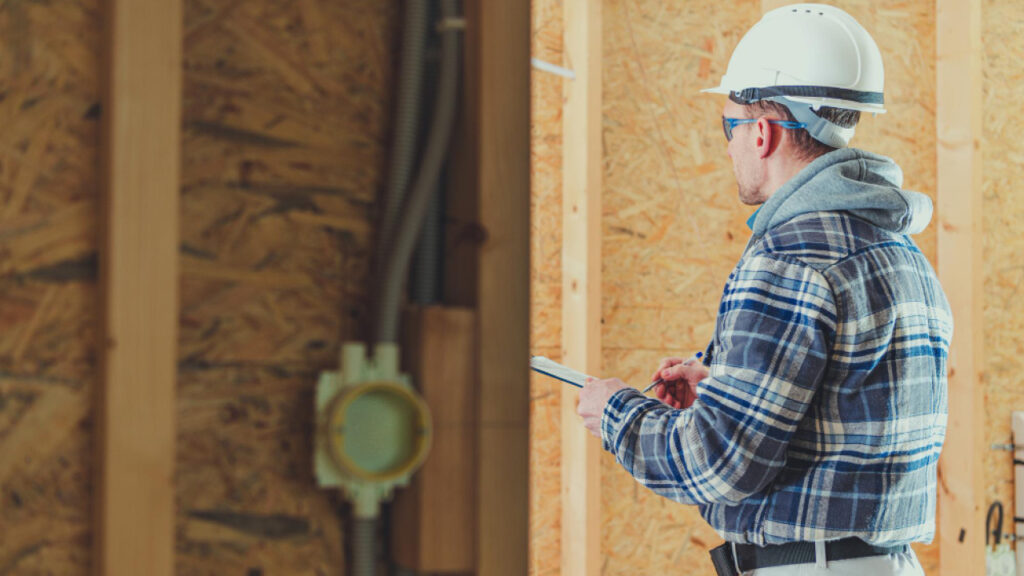
If you’re not sure when your home was built, a few clues help:
- Wall materials: plaster usually means pre-1950; drywall, post-1960.
- Attic structure: visible boards and rafters often signal mid-century construction.
- Windows: original wood frames suggest earlier eras; vinyl points newer.
- Energy bills: higher seasonal swings indicate older or missing insulation.
If you’re unsure, a quick inspection or local permit search can reveal a lot. You’ll notice signs like uneven attic coverage or dust-streaked fiberglass which are both indicators it’s time for a refresh.
Modern Comfort, Classic Charm

A well-insulated home doesn’t erase its history; it protects it. You’ll keep the hardwood floors and crown molding, but you’ll also keep your conditioned air where it belongs. With over fifty years of combined experience, a licensed pesticide applicator credential, and the innovation behind Pest Guard cellulose, the UID team knows how to balance efficiency with preservation.
If your home feels drafty, muggy, or uneven in temperature, it’s worth a conversation. Call (757) 962-0340 or schedule a free insulation assessment today. Comfort, safety, and savings can all live comfortably under your roof.
Frequently Asked Questions
Can crawl spaces in vintage homes be insulated without tearing up floors?
Yes, and it’s one of the best upgrades for such structures around Canal Dr or similar flood-prone spots. Technicians can install insulation beneath the floor joists or encapsulate the crawl space entirely — all from below, no demolition needed. This keeps humidity from creeping upward and prevents the wood framing from softening over time. It also helps preserve the original flooring that gives older homes their charm.
How does attic insulation help heritage properties fight Chesapeake’s humidity?
Insulation in heritage properties acts like a buffer, keeping temperature swings under control. When warm indoor air meets a cool roof deck, condensation forms — a major threat in coastal Virginia. By maintaining steadier attic temperatures and adding vapor barriers, homeowners can stop that moisture cycle before it starts. The result: dry rafters, fewer mold risks, and stronger roof framing for decades to come.
Is cellulose insulation safe for historic homes near Elkhorn Blvd?
Absolutely. Cellulose is made from recycled paper treated with natural borates that repel pests and resist fire. For older or historic homes, that matters — installers can blow it behind plaster walls without tearing them open. No harsh chemicals, no damage to the structure. It’s a smart way to boost efficiency while preserving the craftsmanship that defines Chesapeake’s early architecture.
How can I tell if my older home needs new insulation?
Age shows in more ways than cracked paint. Uneven room temperatures, constant HVAC cycling, or that faint musty smell from vents can all mean insulation has settled or absorbed moisture. You might notice drafty hallways or cool floors in winter, too. If your home is decades old and hasn’t had its insulation checked, it’s time for an inspection.


