


Home insulation provides both comfort to your house and breathing room on your energy expenses. The hot and humid climate of Norfolk requires superior insulation to keep you cool year-round. The combination of humid summers and cold winters causes insulation materials to deteriorate rapidly, which results in increased expenses and unpleasant living conditions. This guide provides you with five indicators that show your home requires new insulation. Early detection of these issues will help you save money while maintaining comfort and protecting your home from damage. The knowledge of these warning signs helps you avoid expensive repairs when you have old fiberglass insulation or failing spray foam, or damaged cellulose.
Norfolk’s Unique Insulation Challenges

Its coastal geography presents challenging conditions for home insulation. The humid climate produces hot and muggy summer months, in addition to mild but wet winter seasons. This combination leads to moisture accumulation in crawl spaces, basements, and attics—particularly in older homes in neighborhoods like Larchmont, Colonial Place, and Norview—which results in mold growth and destroyed insulation.
Crawl spaces in many Norfolk homes face excessive humidity. As a result, insulation deterioration happens. Thanks to poor ventilation, which traps humid air. Often, the outdated insulation in older homes cannot meet current energy standards. This then creates both temperature control challenges and high energy expenses.
5 Critical Warning Signs You Need New Insulation
1. High Energy Bills That Keep Rising
When your heating and cooling costs jump without reason, bad insulation is often to blame. Norfolk’s climate requires year-round air conditioning, and poor attic insulation makes your system work much harder. During summer, heat coming through a poorly insulated roof can increase cooling costs by 25-40%.
Winter heating bills also show insulation problems when warm air escapes through gaps or compressed materials. If your energy bills are much higher than similar homes in your area, it’s time to check your insulation.
2. Rooms Too Hot or Cold and Drafty Areas
When some rooms feel much hotter or colder than others, your wall or ceiling insulation may be failing. Upper floors that get too hot in summer or rooms that never warm up in winter are classic signs of insulation problems.
Drafts near windows, doors, or outlets—even when they’re sealed—usually mean inadequate wall insulation. Poor soundproofing between rooms also signals insulation issues, since materials that block noise also provide heat protection.
3. Condensation and Mold Problems
The high humidity in Norfolk requires strict measures on damp and moist air conditions. The presence of condensation on windows, together with musty odors and visible mold growth in crawl spaces and basements, shows severe problems. The combination of humid air with poor insulation allows condensation to form, which creates ideal conditions for mildew growth.
The presence of dampness or sagging, or discoloration on crawl space insulation shows its failure. Fiberglass insulation that shows compression marks or dark streaks indicates water vapor damage, which poses health risks to your household members.
4. Frozen Pipes and Cold Floors
During Norfolk’s winter freezes, poor insulation in crawl spaces can let pipes freeze and burst. If you’ve had frozen plumbing or consistently cold floors in winter, your under-floor insulation needs attention.
Cold floors year-round also show missing or damaged insulation beneath living spaces. This problem affects comfort and allows moisture to move up into your home.
5. Old, damaged, or sagging insulation
Physical inspection often shows the clearest signs that insulation needs replacement. Fiberglass that looks compressed, discolored, or is falling away has lost its effectiveness. Cellulose that appears wet, moldy, or disturbed by pests must be replaced immediately.
In attics, insulation should maintain its original thickness. The US Department of Energy (DOE) recommends fiberglass or mineral wool. Materials that have settled significantly or show gaps allow heat transfer that wastes energy. Any insulation over 15-20 years old should be checked for replacement.
Why Waiting Costs More Money?
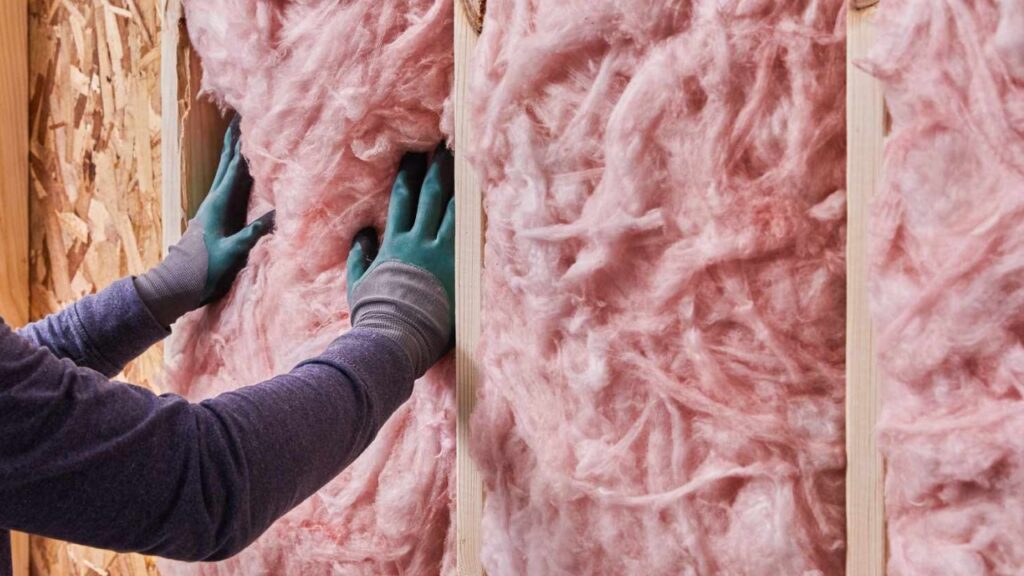
Delaying insulation repairs leads to bigger, more expensive problems. Poor insulation causes your HVAC system to work harder, leading to increased wear and tear that can reduce its lifespan and result in costly early replacements. Moisture damage from failing insulation can harm floors, walls, and belongings. Mold growth requires costly professional removal and can cause health issues.
Homeowners near New Hope Christian Comm Center who delay addressing insulation issues often face significantly higher energy bills, as poor insulation can cause up to 25% heat loss during colder months, leading to increased heating and cooling costs. Early action prevents slight issues from becoming major expenses while immediately cutting monthly energy bills.
Simple Home Inspection Steps
Check accessible areas like your attic, garage, and crawl space for obvious problems:
- Look for wet, compressed, or damaged insulation materials
- Measure attic insulation depth (Norfolk homes need 12-16 inches)
- Feel for drafts around outlets and baseboards on windy days
- Check for condensation, musty smells, or mold in damp areas
- Notice rooms that stay much hotter or colder than your thermostat setting
Use a flashlight to inspect materials for moisture, compression, or pest damage. These simple checks can reveal major insulation problems.
When to Call Professional Insulation Contractors

While basic checks help identify obvious problems, Norfolk’s environment near Pershing Ave and Brest Ave often requires professional evaluation. Local insulation contractors understand regional water intrusion or seepage issues and building codes. They use specialized equipment, like thermal imaging, to find hidden problems.
Professional energy audits identify air leaks and insulation failures throughout your home. Meanwhile, most reputable local insulation companies offer free estimates that include detailed assessments. They can recommend the best materials for Norfolk’s humid climate and ensure proper installation.
Frequently Asked Questions
Can I handle minor insulation repairs myself?
Small repairs like sealing air leaks are suitable DIY projects. However, major work in crawl spaces or attics requires professional equipment and safety measures.
What financial incentives exist for insulation upgrades?
Virginia homeowners may qualify for federal tax credits up to 30% of costs. Local utility companies sometimes offer additional rebates for energy conservation improvements.
Which insulation materials work best in Norfolk's climate?
Spray foam offers the best moisture resistance in humid conditions. Cellulose and fiberglass work well when properly installed with vapor barriers.
How long does professional insulation installation take?
Most residential projects require 1-3 days, depending on home size. Attic insulation typically takes 4-8 hours for average homes.
Don’t Wait—Here’s How To Respond If You Spot The Signs
These five warning signs show when your Norfolk home needs insulation attention. High energy bills, temperature problems, excessive humidity issues, frozen pipes, and visible damage all show that your home’s insulation system needs professional help.
Don’t let minor problems become expensive disasters. Whether you need insulation removal, spray foam installation, or attic upgrades, fixing these issues quickly saves money and keeps your family comfortable year-round.
Ready to solve your insulation problems? Contact Universal Insulation Doctor today for a free assessment of your home’s insulation needs. Our experienced team understands Norfolk’s climate challenges and can recommend the best solutions. Call 757-962-0340 to schedule your no-obligation consultation and start saving on energy costs.


