


If you live in Wolfsnare Plantation, you know you’re in one of Virginia Beach’s nicest neighborhoods. The tree-lined streets, well-maintained homes, and that established feel you can’t get in newer developments make it a great place to call home. Most of these houses were built back in the ’70s and ’80s, giving them real character and charm—but also making them more prone to issues like damp, moldy crawl spaces.
But here’s the thing about older homes – they come with their own set of quirks and challenges. One issue that many homeowners don’t think about until it becomes a problem is insulation. It’s not exactly exciting to talk about, but good insulation keeps your house comfortable and your energy bills reasonable.
If you’ve been living in your home for a while, you might have noticed some things that just don’t seem right. Maybe one room is always too hot or too cold, or your electric bill keeps creeping up even though you’re not using more energy. These could be signs that your insulation in Wolfsnare Plantation isn’t doing its job anymore.
Let’s walk through what to watch for and why it matters for your home.
Why Insulation Matters in Older Homes
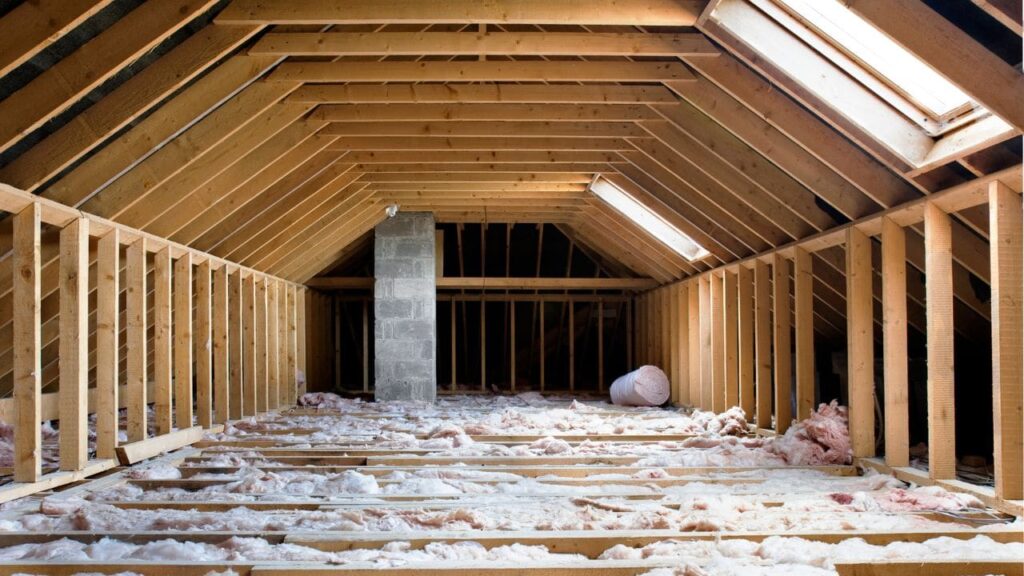
Think of insulation as your home’s winter coat. It keeps the warm air in during winter and the cool air in during summer. When it’s working properly, your heating and air conditioning don’t have to work overtime to keep you comfortable.
The challenge with homes in Wolfsnare Plantation, including those near Wolfsnare Community Park and homes on Wolfsnare Drive, is that they were built when insulation standards weren’t nearly as strict as they are today. What seemed like enough insulation back then might not cut it anymore, especially after 30 or 40 years of settling and normal wear.
Plus, a lot of homeowners here want to keep their homes looking original while still making them more comfortable and energy-efficient. It’s totally possible to do both, but it takes some planning.
When you get your insulation right, you’ll notice the difference immediately. Your house stays more comfortable, your energy bills go down, and your heating and cooling system doesn’t have to work as hard. It’s one of those home improvements that actually pays you back over time.
5 Warning Signs Your Insulation Needs Help
1. Some Rooms Are Always Too Hot or Too Cold
This is probably the most obvious sign something’s wrong. You know what I’m talking about – that one bedroom that’s always freezing in winter, or the upstairs that gets unbearably hot in summer no matter how much you run the air conditioning.
When insulation starts failing, it creates these annoying hot and cold spots throughout your house. The conditioned air you’re paying for escapes through gaps while outside temperatures sneak in. It’s especially common in rooms over garages, upstairs bedrooms, and anywhere the roofline gets complicated.
If you find yourself constantly adjusting the thermostat or avoiding certain rooms because they’re uncomfortable, your insulation is probably the culprit.
2. Your Energy Bills Keep Going Up
Have you noticed your electric or gas bills steadily climbing over the past few years, even though you’re not really using more energy? This is a huge red flag that your insulation is losing its effectiveness.
When insulation fails, your heating and cooling systems have to work much harder to maintain the same temperature. You end up paying more money for the same level of comfort – or sometimes even less comfort than you had before.
Take a look at your energy bills from the same months over the past few years. If you see a clear upward trend without any major changes in how you use your home, insulation problems are likely costing you money every month.
3. You Feel Drafts and Cold Floors
Nothing ruins a cozy evening like feeling cold air creeping in around windows, doors, or along the baseboards. These drafts are telling you that your home’s seal isn’t as tight as it should be.
Cold floors are another dead giveaway, especially if you have rooms over garages or unheated spaces. When the insulation underneath your floors isn’t doing its job, you’ll feel it every time you walk around barefoot.
Older homes like the ones in Wolfsnare Plantation are especially prone to these issues because weather stripping and caulking deteriorate over time, and insulation can shift or compress, creating gaps where cold air sneaks in.
4. You Smell Musty Odors or See Moisture Problems
If you’ve noticed persistent musty smells that won’t go away no matter how much you clean or use air fresheners, you might have moisture getting in where it shouldn’t. When insulation fails, it can create conditions where condensation forms inside walls and other hidden spaces.
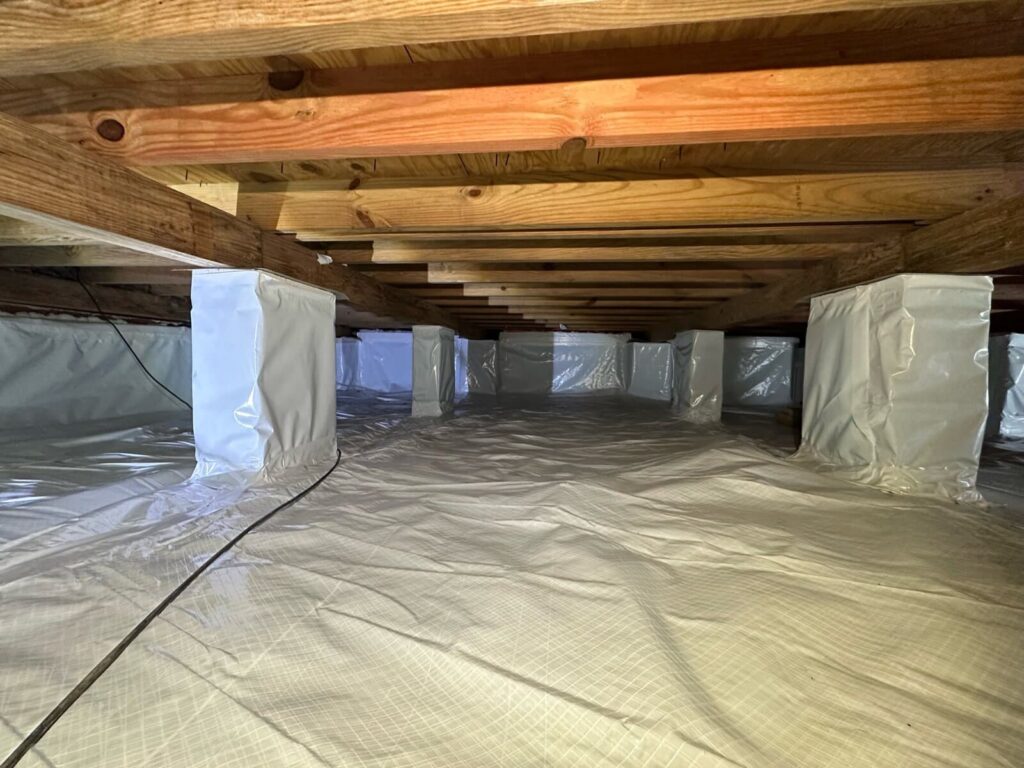
You might also notice mold around windows, in corners, or on walls that face outside. Excessive humidity throughout your house, even when you’re running the air conditioning, is another sign that your insulation isn’t controlling moisture properly—especially if crawl spaces are damp or moldy as sometimes happens in crawl spaces under homes on Fairway Circle..
These aren’t just comfort issues – they can affect your family’s health and cause real damage to your home if you don’t address them.
5. You’re Dealing with More Pests or Hearing Noises in Walls
Nobody wants to talk about pest problems, but they’re often connected to insulation issues. When insulation deteriorates, it creates perfect little highways and nesting spots for mice, rats, and insects.
If you’ve been seeing more ants, having trouble with mice, or dealing with other unwanted visitors, compromised insulation might be giving them easy access to your home.
Those weird scratching or scurrying sounds you hear in the walls at night? That’s often wildlife taking advantage of gaps in your insulation to move around and set up shop where they shouldn’t be.
What to Do If This Sounds Like Your House
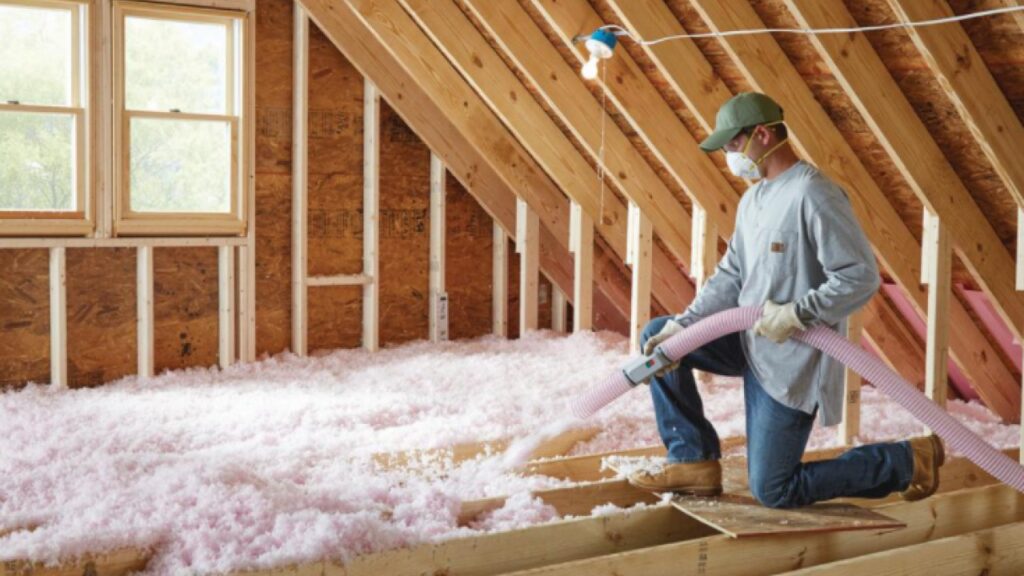
If you’re reading this and thinking “yep, that’s my house,” don’t panic. These problems are fixable, and you don’t necessarily need to tear your whole house apart to solve them.
The first step is getting a proper assessment from someone who knows what they’re looking for. A good insulation contractor will check your whole house, not just the obvious problem spots, to figure out where things are failing and why.
For homes in Wolfsnare Plantation, this is especially important because you want solutions that work with your home’s style and character, not against it. The goal is making your house more comfortable and efficient while keeping what makes it special.
A thorough assessment will also catch problems you might not have noticed yet, like hidden moisture issues or air leaks that could cause bigger problems down the road.
Simple Ways to Stay Ahead of Problems
You don’t have to wait for major issues to develop. There are some easy things you can do to keep tabs on your insulation and catch problems early.
Every few months, take a quick walk through your house and pay attention to how it feels. Check your attic and crawl space if you can safely access them, looking for obvious signs of damage, moisture, or pest activity.
Keep an eye on your energy bills and make note of any significant changes. Most utility companies now include comparisons to previous years right on your bill, making it easy to spot trends.
When you need work done on your home, try to find professionals who have experience with houses like yours. Someone who’s worked on other homes in Wolfsnare Plantation will understand the common issues and know what solutions work best.
It’s also worth building relationships with good contractors before you need them. When problems do come up, you’ll already know who to call instead of scrambling to find help.
Don’t Wait Until Small Problems Become Big Ones
The five warning signs we’ve talked about usually start small and gradually get worse. It’s easy to live with a slightly uncomfortable room or ignore a slowly climbing electric bill, but these problems don’t fix themselves.
Dealing with insulation issues sooner rather than later almost always saves money and hassle in the long run. If any of these warning signs sound familiar, it might be time to have someone take a closer look at your insulation.
Frequently Asked Questions
Will upgrading my insulation mess up the character of my older home?
Not at all! Good insulation work actually helps preserve your home's character by preventing moisture damage and temperature fluctuations that can cause structural issues. Most insulation improvements happen in hidden areas like attics and crawl spaces where you won't even see them. The goal is making your home more comfortable while keeping everything you love about it.
How much can I realistically expect to save on my energy bills?
Most homeowners in our area see energy bill reductions of 15-30% after proper insulation upgrades, though the exact amount depends on your home's current condition and how much energy you're currently wasting. Many families find that the monthly savings help offset the cost of the improvement over time.
Should I be worried about disturbing asbestos or other hazardous materials in my older home?
It's definitely something to consider with homes from this era. That's why it's important to work with experienced professionals who know how to test for and safely handle any hazardous materials. A proper assessment should include checking for these issues before any work begins, so you'll know exactly what you're dealing with.
Can I just add more insulation on top of what's already there, or do I need to remove everything?
It depends on the condition of your existing insulation. If it's dry, pest-free, and in decent shape, you might be able to add to it. But if there are moisture problems, pest contamination, or the old insulation has compressed significantly, removal and replacement usually gives you better results. A professional assessment can tell you which approach makes sense for your specific situation.


