


If you’ve been shopping for home insulation, you may have noticed that cellulose often comes in at a lower price than traditional fiberglass. Many homeowners are surprised at just how much they can save without sacrificing comfort or efficiency.
Traditionally, fiberglass has been the go-to insulation option. It’s what many contractors recommend and what most homeowners expect. But there’s another contender that is proving to be not only effective but also more cost-efficient: cellulose insulation. It typically costs 15–40% less than fiberglass and that gap is hard to ignore when every dollar counts.
Our team has worked in homes from new builds in Chesapeake to older houses in Larchmont and Edgewater. What we’ve learned is clear: choosing the right insulation, like cellulose insulation installation in Hampton Roads, can significantly improve long-term comfort and reduce energy bills. Let’s break down why cellulose costs less and what that means for your home.
The Basics: What Is Cellulose vs. Fiberglass?
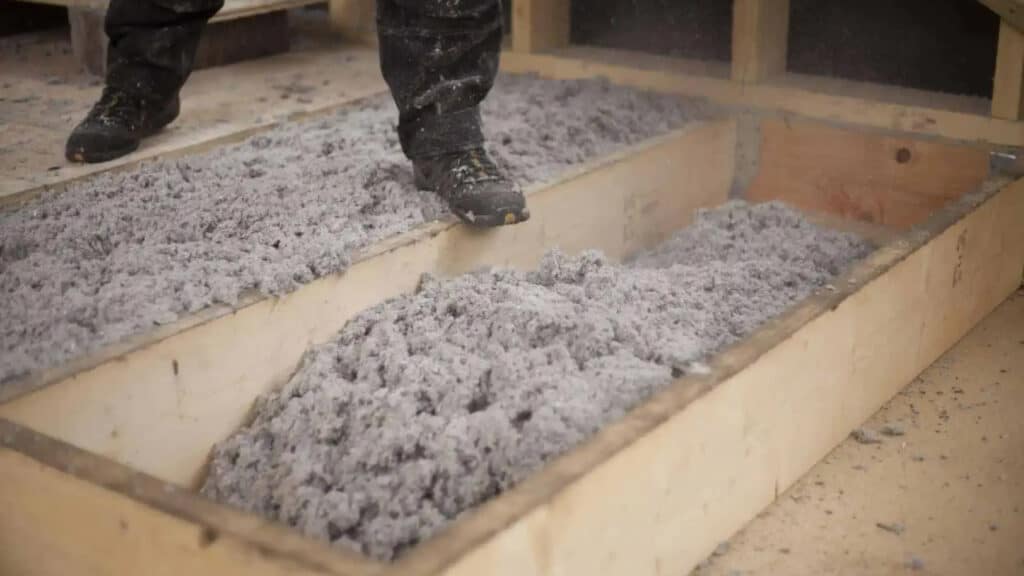
When it comes to insulation, both cellulose and fiberglass have their place. To understand why cellulose often costs less, here is a side by side comparison.
| Feature | Cellulose Insulation | Fiberglass Insulation |
| Primary Material | Recycled paper + borate treatments | Silica sand, soda ash, limestone, other glass |
| Production Process | Low-energy shredding and treatment | High-heat glass melting and fiber spinning |
| Typical Cost | 15–40% less expensive | More costly due to materials + energy demand |
| R-Value | Comparable per inch | Comparable per inch |
| Installation | Blown-in, fills gaps easily | Batts or rolls, requires precise fitting |
| Environmental Impact | Lower embodied energy, uses recycled materials | Higher carbon footprint due to furnaces |
Both are accepted by building codes and improve efficiency, but cellulose often delivers the same thermal protection at a lower cost — making it the value-driven choice.
Raw Materials: Why Cellulose Starts Cheaper
The cost advantage of cellulose begins with its raw materials. Cellulose is primarily produced from recycled newspapers and cardboard, both abundant and inexpensive. Adding borate treatments is a cost-effective way to boost fire and pest resistance. It’s cheaper than sourcing and refining minerals.
Fiberglass, on the other hand, requires silica sand, soda ash, and limestone. These minerals must be mined, transported, and processed in energy-intensive furnaces. The result is a material that, while effective, carries a much higher production price tag.
For families near Virginia Park, older homes may need big attic or wall updates. Choosing materials with lower raw material costs makes installation more affordable.
Manufacturing Costs: Energy & Efficiency
Manufacturing is another area where cellulose insulation has the upper hand. Producing cellulose involves shredding paper, adding treatments, and packaging the material. The entire process requires relatively low energy inputs.
Fiberglass production, by contrast, depends on furnaces running at extremely high temperatures to melt and spin glass fibers. This is a massive drain on energy resources, and those costs get passed on to homeowners.
The environmental advantage is also worth noting. According to the U.S. Department of Energy, cellulose uses significantly less energy to manufacture, which reduces both its price point and carbon footprint.
Installation Differences: Labor & Time
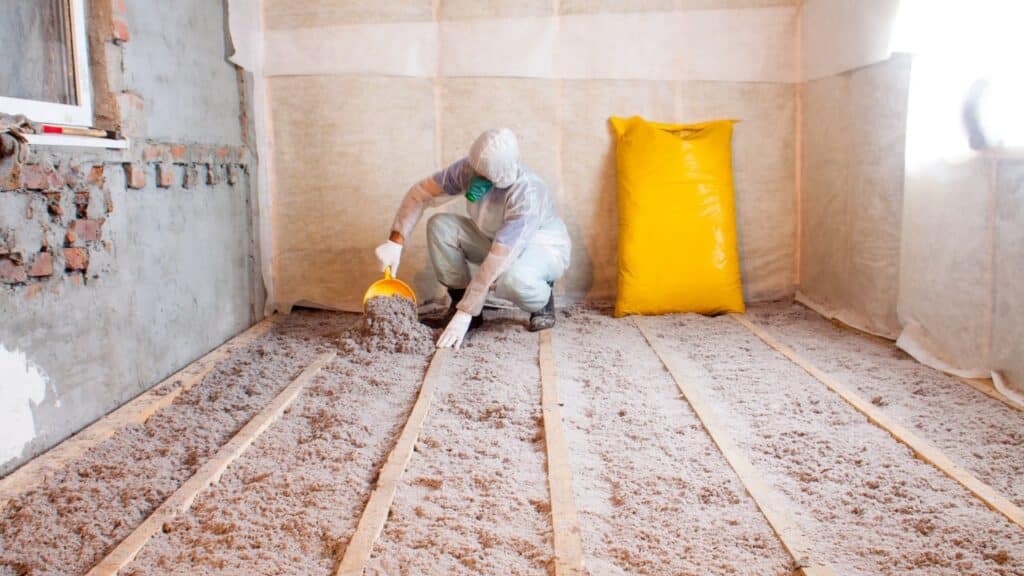
The way insulation is installed also impacts cost. Cellulose insulation is usually blown in, a method that makes it quick to install and great at filling odd spaces. Installers can complete jobs faster and with less labor compared to cutting and fitting fiberglass batts.
Fiberglass batts, while familiar to many homeowners, require precise cutting to fit around pipes, wiring, and framing. This increases labor hours and installation costs.
In homes near Buckingham Avenue, older construction often has tight crawl spaces or unique framing. Here, blown-in cellulose is efficient. This means lower project costs and less disruption for homeowners.
Long-Term Performance & Value
Upfront savings matter, but long-term performance shows if insulation really provides value. Cellulose and fiberglass have similar R-values per inch. However, cellulose is better at stopping air leaks.
Cellulose is dense and fills gaps well, which helps in reducing drafts and boosting comfort all year round. Fiberglass batts, on the other hand, can leave gaps where air slips through — especially if they aren’t installed perfectly.
Over time, that difference matters. A well-insulated attic in Upper Brandon lowers monthly bills. It also keeps homes comfy during Virginia’s hot summers and cold winters.
Addressing the “Cheaper Means Lower Quality” Myth
Many homeowners worry that a cheaper product must mean lower quality. With cellulose, that isn’t true. Cellulose insulation resists settling, holds its R-value, and lasts for decades when installed correctly.
Cellulose is also treated with borates, which make it naturally resistant to fire and pests — an important detail for families in Hampton Roads dealing with seasonal humidity and occasional rodent intrusions.
Fiberglass, while durable, is prone to sagging over time. It can create thermal gaps that reduce effectiveness. The truth is, cellulose is not “cheap”; it’s cost-effective and engineered to perform.
When to Choose Cellulose in Virginia Homes

Cellulose works well in Virginia’s humid climate. Its dense coverage fights humidity and boosts efficiency in attics, crawl spaces, and wall cavities.
Historic homes in Norfolk’s neighborhoods often benefit from cellulose because it adapts well to irregular spaces. Meanwhile, families renovating properties can explore multiple options, including batt insulation, depending on the layout.
For a full breakdown of attic insulation options in older homes, see our Types of Attic Insulation in Older Homes: Complete Guide.
Make Your Home Work Smarter
Consider cellulose insulation if you want to lower energy bills, improve comfort, and make a smart investment. The combination of cheaper raw materials, lower manufacturing costs, faster installation, and solid performance make it a standout choice in 2025.
We’ve spent years helping Virginia families reclaim their comfort with expert insulation services. Whether you’re comparing cellulose and fiberglass or exploring batt insulation options, our licensed team can guide you toward the solution that fits your home and budget.
Call us today at (757) 962-0340 or visit Universal Insulation Doctor to schedule your free inspection.
Frequently Asked Questions
Which insulation works best for older homes in Norfolk?
Cellulose is often the better choice for older homes because it fills irregular cavities more completely. Fiberglass batts remain a solid option, but cellulose’s dense coverage reduces drafts and improves comfort.
Can cellulose insulation help lower energy bills in Virginia Beach?
Absolutely. Because cellulose reduces air leaks, it improves efficiency and cuts energy bills over time. Families across Hampton Roads notice the difference in both comfort and monthly costs.
How does cellulose compare to batt insulation for crawl spaces?
Both materials can be effective. Batt insulation is widely used in crawl spaces, while cellulose adapts well to tight or irregular layouts. The right choice depends on your home’s design and insulation goals.
Is cellulose insulation reliable in Virginia’s humid climate?
Yes. Properly treated cellulose resists mold and moisture-related issues, making it a dependable option for homes across Hampton Roads. The key is professional installation to ensure maximum protection.


